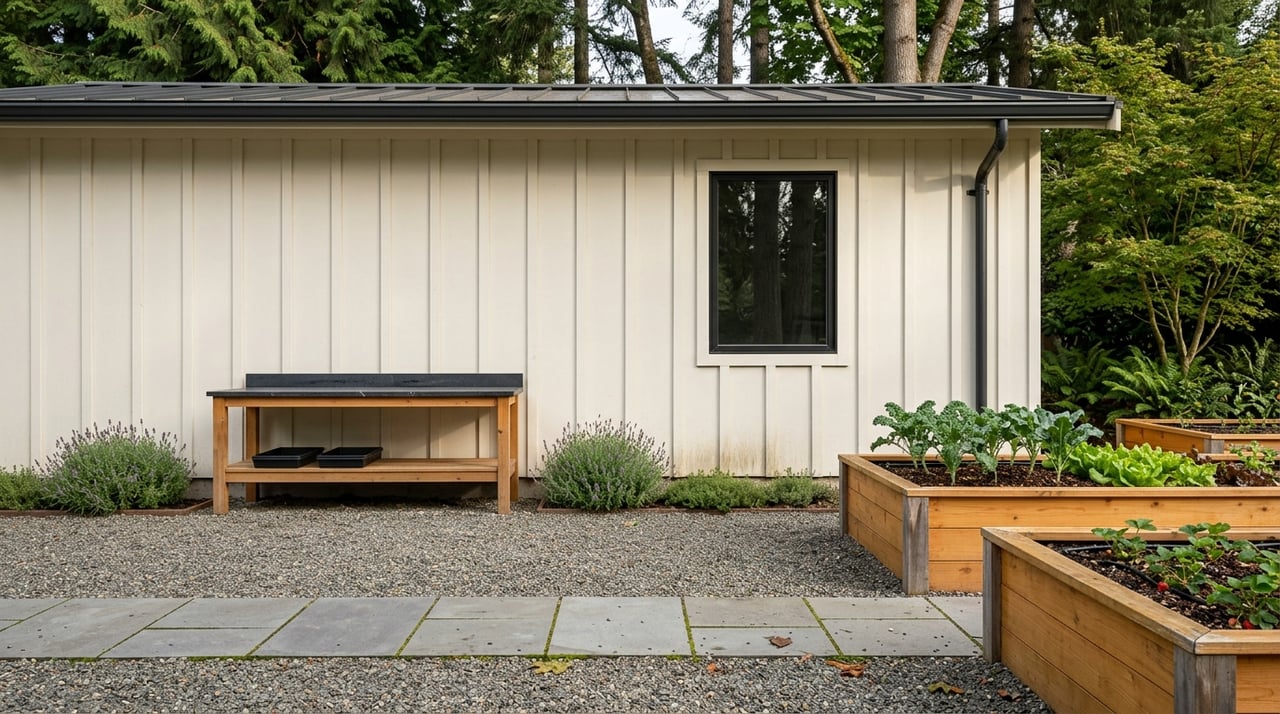
If more space sounds like the answer, acreage near Stanwood can be very appealing. You may be picturing privacy, room for a shop or barn, a large garden, or even space for animals. That vision can absolutely be real, but acreage living also comes with more moving parts than a typical suburban home. This guide will help you understand the key questions to ask before you buy so you can move forward with confidence. Let’s dive in.
Why acreage near Stanwood appeals to buyers
Acreage often offers something that is harder to find in more built-up areas: breathing room. You may have more distance from neighbors, more flexibility for outdoor projects, and more land to shape around the way you want to live.
For many buyers, that means practical lifestyle value. You may want space for gardening, a detached shop, a barn, or room for certain animals. In Snohomish County, some rural-zone home occupations can operate from detached buildings, and county rules also allow certain non-commercial farm animals and horses in residential and rural zones, subject to setbacks and any private covenant restrictions.
That said, acreage is not the same as unlimited freedom. County rules still apply to how land is used, and private covenants can add another layer of limits. Even fences, while often simpler than larger structures, still have placement rules even when a building permit is not required.
Stanwood growth and rural context
When you look at acreage near Stanwood, it helps to understand the broader land-use pattern around the area. Stanwood’s 2024 to 2044 Comprehensive Plan says new development and growth should be concentrated within the city’s underutilized lands as the urban growth area develops.
At the same time, Snohomish County designates agriculture resource lands and protects them under state growth planning rules. In practical terms, that means some properties near Stanwood sit close to active farms, protected resource land, or areas that may feel more transitional over time.
This matters because the setting can shape your day-to-day experience. A parcel may offer privacy and open space while also being near working land, future growth areas, or county-protected resources. That mix is part of what makes acreage attractive, but it is also why due diligence matters so much.
Expect working-land realities
If a parcel is in or near designated agriculture or forest resource land, Snohomish County says buyers may receive transfer paperwork that notes resource activities may occur nearby. That is an important detail if you are hoping for a quiet rural setting without any farming-related activity around you.
Living near working land can mean normal impacts tied to agricultural use. The county specifically warns landowners near agriculture resource lands that they may experience typical farming-related effects.
None of that is necessarily a problem. It just means you should buy with a clear understanding of the setting, rather than assuming all acreage will feel isolated in the same way.
Start with access, water, and septic
For acreage properties, the big questions are usually not about finishes or paint colors. They are about whether the land works legally and practically for the way you want to use it.
One of the first things to verify is legal access. Snohomish County requires legal access before a building permit can be issued. If access comes from a county road, you may need a driveway or access permit. If the property is served by a private road, an easement and site plan may be required.
Water and septic are just as important. For rural properties, Snohomish County says an approved well and on-site septic system are required for construction of a residence or any building with plumbing. The county health department is responsible for confirming that residential wells are adequate and potable.
Septic records also deserve close attention. The county maintains an online septic records database, which can help you review existing information about a property’s system. The county has also stated that a new rule requiring septic inspections before property sales takes effect November 1, 2026.
Check permits beyond the house
Acreage buyers sometimes focus on the home and overlook the improvements around it. That can be a costly mistake if a shop, barn, fence, pole building, or driveway improvement was added without the right approvals.
Snohomish County’s residential permit guidance shows that many property features may require permits. This can include garages, storage buildings, accessory buildings, pole buildings, agricultural buildings, fences, additions, drainage work, and other site improvements.
Some non-habitable structures under 400 square feet in rural zones may be exempt from building permits. Even then, the county says exempt structures still must meet setback and environmental rules. In other words, permit-exempt does not mean rule-exempt.
The county also states that current owners are responsible for obtaining proper permits and inspections for unpermitted work. If you are considering acreage with existing outbuildings or site improvements, it is worth confirming what was permitted and what was not.
Understand critical areas and site conditions
Not every acre is equally usable. A property can look open and spacious on paper but still have important development limits tied to environmental features.
Snohomish County’s updated critical-area regulations apply to all unincorporated areas and cover wetlands, critical aquifer recharge areas, geologically hazardous areas, and special flood hazard areas. Development may also be reviewed for flood, shoreline, and clearing or grading impacts.
That means the most important question is not just how much land a parcel has. It is how much of that land can be used in the way you imagine, and what approvals may be needed before you build, clear, or improve anything.
Know what animal use may allow
Acreage buyers are often interested in hobby farming or keeping animals. Near Stanwood, that can be possible, but the rules vary by zoning, setbacks, and any private restrictions on the property.
Snohomish County says certain small animals and horses are allowed in residential and rural zones. Structures used to house or feed them generally must be at least 30 feet from property lines.
In some zones, non-commercial animal keeping requires at least five acres and a conditional use permit. Private covenants can also limit animal use even when county zoning would otherwise allow it. County rules further state that livestock, including horses and cattle, may not run at large anywhere in the county.
Gardening and hobby farming take stewardship
If your dream includes raised beds, fruit trees, pasture management, or a more self-directed outdoor lifestyle, acreage can be a great fit. But it works best when you think of the property as something you actively care for, not just something you enjoy looking at.
Snohomish County’s yard-care guidance emphasizes compost, mulch, smart watering, pest-resistant plants, and matching plants to site conditions. It also points residents toward rain gardens, native plants, noxious-weed control, and pollinator-friendly practices.
WSU Snohomish County Extension describes its local gardening and agriculture programs as research-based and ecologically sound, and it offers agriculture workshops for local farmers. For buyers who want to garden or explore hobby farming, that kind of local education can be helpful as you learn what your land needs.
Daily life is more hands-on
Acreage living often feels peaceful, but it is rarely low maintenance. In many cases, you are taking on a property-management lifestyle along with the home itself.
The recurring tasks can include drainage management, soil care, mulch, irrigation, weed control, septic pumping, driveway upkeep, and occasional tree or brush work. Snohomish County’s septic guidance notes that pumping intervals vary by household use and can range from about two years to five or more years.
You should also think about access to everyday services. The City of Stanwood says SR 532 is the main corridor connecting Stanwood and Camano Island to Interstate 5. For many acreage owners, that means daily life is more car-based than it would be in a more suburban location, so commute time, deliveries, contractor access, and road conditions all matter.
Questions to answer before you offer
Before you write an offer on acreage near Stanwood, it helps to slow down and confirm the basics. A beautiful setting is important, but the right property is usually the one that supports your goals both legally and practically.
Here are some of the most important questions to ask:
- Is there legal access from a county road or a recorded private easement?
- Are well and septic records available, and does the system appear ready for current and future use?
- Is the parcel in a critical area, flood hazard area, or shoreline-related zone?
- Were existing barns, shops, fences, driveways, or other improvements properly permitted?
- Do private covenants or resource-land notices affect animals or how the land can be used?
Why local acreage guidance matters
Acreage purchases ask more of you than a standard home search. You are not just evaluating bedrooms and square footage. You are also evaluating infrastructure, land-use rules, site conditions, access, and the long-term fit between the property and your lifestyle.
That is where experienced local guidance can make a real difference. Buyers looking at land-rich, farm, or equestrian properties near Stanwood often benefit from working with a team that understands how these properties function in the real world, not just how they appear in listing photos.
If you are exploring acreage near Stanwood and want calm, knowledgeable guidance, Pacesetter Properties Team can help you evaluate the details that matter most.
FAQs
What does acreage living near Stanwood usually mean for buyers?
- It usually means more space, privacy, and room for features like gardens, shops, barns, or certain animals, but it also comes with added responsibility around access, utilities, permits, and land stewardship.
What should buyers verify about access on acreage near Stanwood?
- Buyers should confirm there is legal access from a county road or a recorded private easement, since Snohomish County requires legal access before a building permit can be issued.
What should buyers know about wells and septic on rural property near Stanwood?
- Snohomish County says an approved well and on-site septic system are required for construction of a residence or a building with plumbing, and buyers should review available records for both systems.
Can you keep animals on acreage in Snohomish County near Stanwood?
- Certain non-commercial farm animals and horses may be allowed in residential and rural zones, but rules can vary by zoning, setbacks, parcel size, permits, and private covenants.
Do acreage properties near Stanwood need permits for barns, shops, or fences?
- Many improvements may require permits, including garages, storage buildings, accessory buildings, pole buildings, agricultural buildings, fences, and drainage work, so buyers should verify what was properly approved.
What ongoing upkeep should buyers expect with acreage near Stanwood?
- Buyers should expect more hands-on maintenance, including drainage care, irrigation, weed control, septic pumping, driveway upkeep, and occasional tree or brush work.