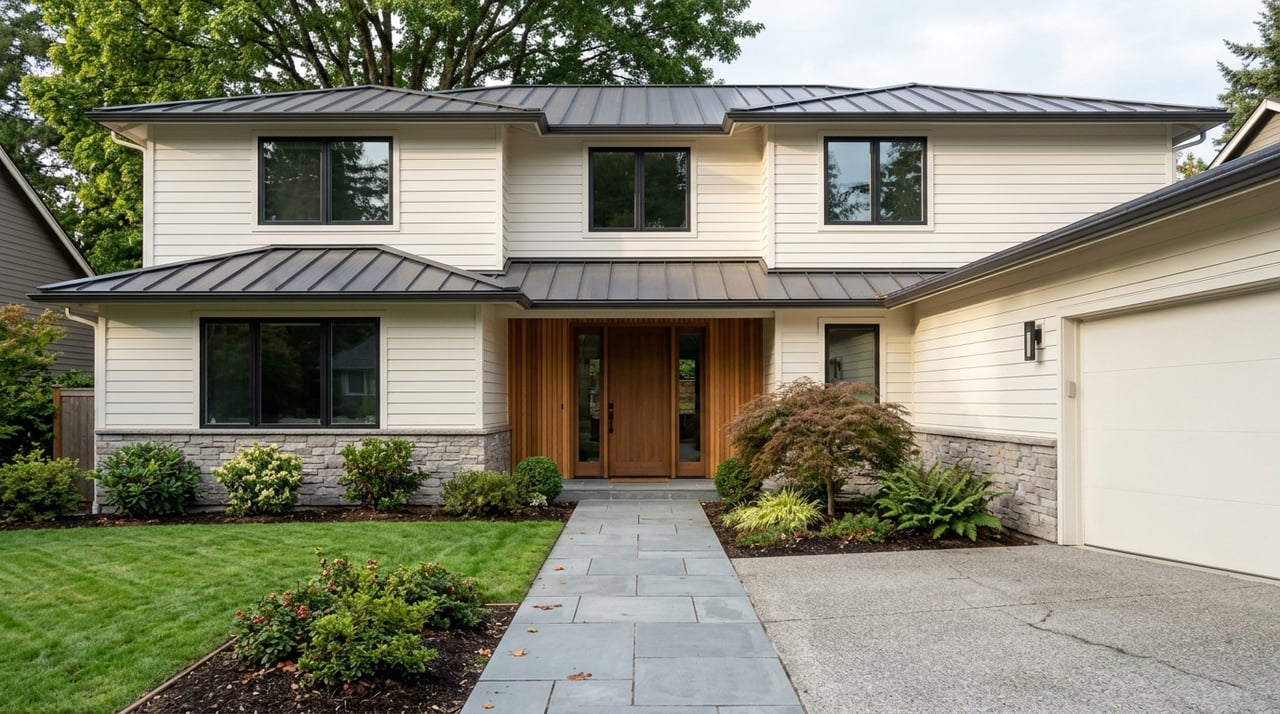
Wondering whether a newer home or an established one makes more sense in Bothell? You are not alone. In a city with fast growth, changing housing options, and a wide range of home styles, this choice can shape your budget, maintenance plans, and daily lifestyle for years to come. This guide will help you compare the tradeoffs clearly so you can decide with more confidence. Let’s dive in.
Why This Choice Matters in Bothell
Bothell is not a one-style housing market. The city estimated its population at 49,550 in April 2023 and reported 20,824 housing units, with a mix of single-family homes, apartments, manufactured homes, and middle housing. About 65% of households owned their homes in 2021, which helps explain why both buyers and sellers pay close attention to how different property types fit long-term goals.
Bothell is also planning for significant growth. The city has adopted housing targets for 12,782 new units from 2020 to 2044, and downtown has already changed substantially over the last 15 years. At the same time, the city’s 2024 comprehensive plan noted a median Bothell home sale price of about $973,517 in January 2024, after a peak of $1,096,840 in June 2022.
That price point makes the newer-versus-established decision especially practical. For many buyers, the real question is not simply age. It is whether you want newer systems and a more turnkey setup, or more lot space and a more traditional detached-home pattern.
What Newer Homes Often Offer
Newer homes in Bothell often reflect the city’s recent growth patterns. In December 2023, Bothell adopted middle-housing changes that allow options like duplexes, triplexes, fourplexes, cottage housing, and accessory dwelling units in residential zones. That means newer inventory may include more attached homes, infill homes, and smaller-lot options than buyers saw in years past.
Downtown Bothell shows this shift clearly. Nearly half of downtown housing units were built between 2010 and 2019, with another 4% built in 2020 or later. Those homes also tend to be more compact, with many studios, one-bedroom, and two-bedroom layouts.
In practical terms, newer housing often trades lot size and square footage for efficiency and a more urban-style layout. If you like a lower-maintenance setup or want to be closer to newer mixed-use areas, this may be a strong fit. If your priority is a larger yard or more separation from neighbors, newer homes may not always check that box.
Newer Homes and Energy Standards
Another advantage of newer construction is that it is more likely to reflect current energy-code standards. Washington’s 2021 residential energy code became effective statewide on March 15, 2024, and it sets the residential energy-code baseline for new construction.
That does not guarantee lower utility bills in every case. Actual energy use still depends on the home itself, its systems, and how you live in it. Still, newer homes may offer better efficiency than older homes simply because they were built to more current standards.
Newer Homes and Warranty Coverage
New construction also often comes with builder warranty protection. Many newly built homes include coverage for workmanship and materials for many components for one year, major systems like HVAC, plumbing, and electrical for two years, and major structural defects for up to 10 years.
That can reduce the chance of immediate repair surprises, but it should not lead to assumptions. A new home can still have issues, which is why an independent home inspection remains important. The value of a newer home is often less about perfection and more about a lower-risk first few years of ownership.
What Established Homes Often Offer
Established homes in Bothell are often associated with larger detached-home patterns. The city’s land-use plan includes detached residential designations with average or minimum lot sizes of 9,600, 8,400, 7,200, and 5,400 square feet, along with some constrained areas that require 40,000-square-foot minimum lots.
That does not mean every older home has a large yard. It does mean many established areas are linked to a less compact development pattern. For you, that may translate into more outdoor space, more distance between homes, and a different feel from newer infill housing.
Established homes can also appeal to buyers who want mature landscaping or a more traditional detached-home setting. In many cases, the tradeoff is that the home may need more planning, more updates, or a larger maintenance budget over time.
Older Homes and Due Diligence
If you are considering an older home, due diligence matters. Homes built before 1978 are more likely to contain lead-based paint, and peeling paint or renovation work can create lead hazards.
That does not make older homes a poor choice. It simply means you should plan carefully if you expect to remodel. For many buyers, established homes offer strong lifestyle value, but they may also require more thoughtful inspection and renovation planning.
The Real Tradeoff: Space or Convenience
In Bothell, the choice often comes down to space and autonomy versus convenience and efficiency. Established homes may offer more land and a more traditional detached-home setting. Newer homes often place more value in newer systems, more compact design, and lower-maintenance exteriors.
Neither option is automatically better. A newer home is not always maintenance-free, and an older home is not always a project. The better question is whether the home’s age, systems, lot pattern, and upkeep needs match your budget and the way you want to live.
How HOA Living Can Affect the Decision
If you are considering a newer townhome, condo, or planned development in Bothell, the homeowners’ association may be a major part of the decision. In Washington, resale certificate rules require disclosure of key details before conveyance unless an exception applies.
Those disclosures can include assessments, special assessments, fees, reserve-study status, financial statements, insurance information, governing documents, and restrictions on use or alterations. That is important because HOA living affects more than monthly dues. It can also affect your flexibility, your future costs, and how shared property is managed.
Some homes will not have an HOA at all. Washington law allows a seller to indicate that there is no homeowners’ association and no regular periodic assessments when a resale certificate is unavailable. If you are comparing newer and established homes, HOA review should be part of your side-by-side analysis, not an afterthought.
Questions to Ask About an HOA
Before you move forward on a home with shared governance, it helps to look closely at:
- Regular monthly assessments
- Any current or planned special assessments
- Reserve-study status and reserve strength
- Rules on exterior changes or alterations
- Insurance information
- The overall level of shared control you are comfortable with
For some buyers, an HOA-supported property feels simpler. For others, fewer restrictions matter more. The right fit depends on your priorities.
A Simple Decision Framework
If you are comparing homes in Bothell, this checklist can help you narrow the choice.
Lean Toward Newer If You Want:
- More current energy-code standards
- Possible builder warranty coverage
- A lower-risk first few years of ownership
- A compact or urban-style living pattern
- Less exterior upkeep in many cases
Lean Toward Established If You Want:
- More lot space
- More separation between homes
- Mature landscaping
- A traditional detached-home setting
- More flexibility outside of HOA-governed communities in some cases
Compare Both Carefully If You Are Unsure
If you are torn, focus on the specific home rather than the category alone. Look at the lot, systems, layout, maintenance history, and whether an HOA is involved. In Bothell, those details usually matter more than a simple label like “new” or “old.”
A thoughtful comparison can save you from buying a home that looks right on paper but feels wrong in daily life. The goal is not to find the newest house or the biggest lot. It is to find the property that fits your budget, comfort level, and long-term plans.
If you want help weighing newer construction against established homes in Bothell, the Pacesetter Properties Team can help you compare options with a clear, local perspective.
FAQs
Should I buy a newer home or an older home in Bothell?
- The better choice depends on whether you value newer systems and efficiency more, or larger lots and a more traditional detached-home setting more.
Are newer homes in Bothell usually smaller lots?
- They can be, especially in infill and downtown-style areas where newer housing often emphasizes compact layouts and smaller-lot or attached-home patterns.
Do established homes in Bothell usually have larger yards?
- Many established areas are tied to larger detached lot-size patterns, which can mean more yard space and more separation between homes.
Do I still need an inspection on a new home in Bothell?
- Yes. A new home may have warranty coverage, but an independent inspection is still an important step.
Why do HOA documents matter when buying a Bothell home?
- In Washington, HOA disclosures can reveal dues, special assessments, reserve information, insurance details, and rules that may affect your costs and flexibility.
Are older homes in Bothell risky to remodel?
- Not necessarily, but homes built before 1978 may be more likely to contain lead-based paint, so remodeling plans require careful review and lead-safe practices.